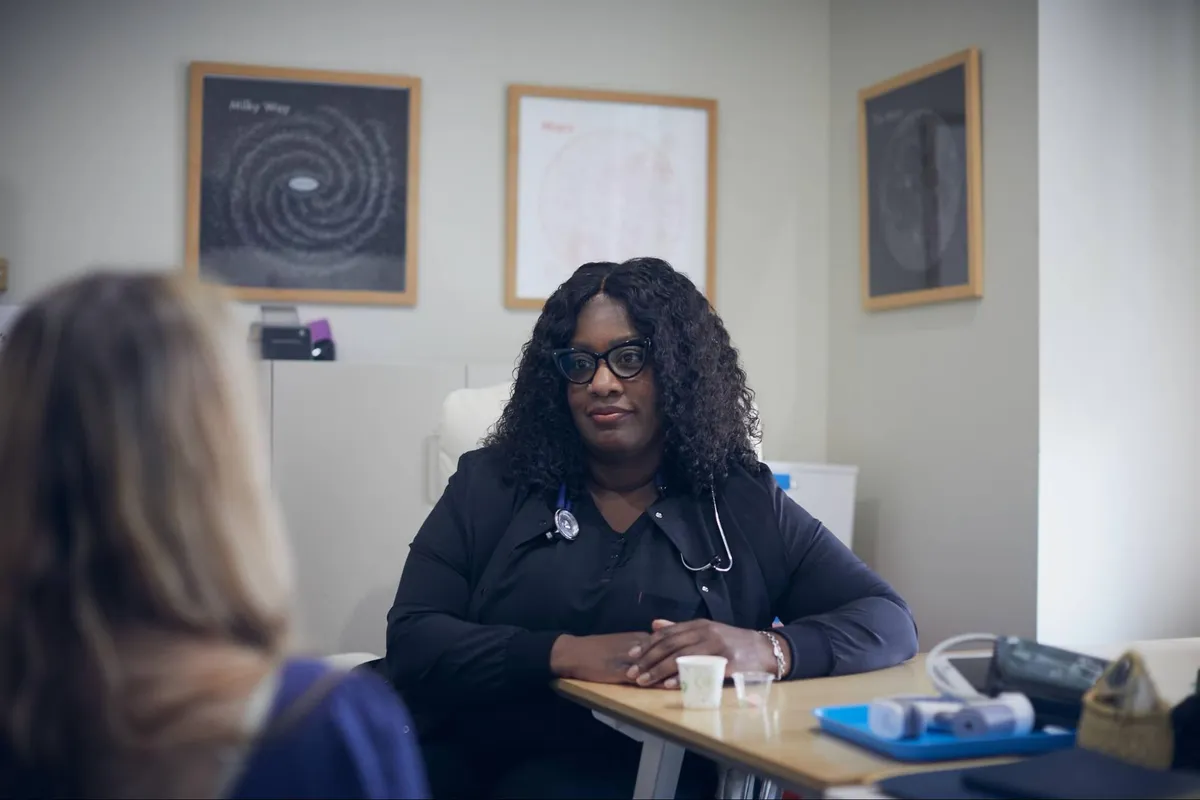
Starting treatment can bring many questions. People often want to know what a typical day looks like, what happens during sessions, how much time treatment takes, and what support is available between appointments.
An outpatient treatment program can provide structured care while allowing clients to continue living at home. At Luna Integrative Care, the program includes therapy, education, peer support, and other services based on each client’s individual needs.
Understanding what happens during treatment can make the process easier to prepare for and help clients know what to expect.
What Happens When You Start IOP?
The first part of treatment is understanding the client’s needs. Mental health concerns, substance use, personal circumstances, and treatment goals can all be considered when developing an individualized plan.
At Luna Integrative Care, treatment plans are based on each person’s specific mental health needs and diagnosis. Depending on the situation, treatment may include individual therapy, group therapy, psychiatric care, medical services, family support, and holistic therapies.
The goal is to create a treatment plan that fits the client rather than using exactly the same approach for everyone.
How Often Do You Attend IOP?
Luna’s IOP is provided at its outpatient treatment center in central Houston. Clients generally attend treatment for three hours a day, three days a week, which equals about nine hours of programming each week.
The program usually lasts around 8 to 12 weeks, although the length can vary depending on individual needs.
Morning and evening options are available, giving clients more flexibility when managing work, school, or family responsibilities. After scheduled treatment, clients return home rather than staying at the treatment center.
What Happens During Individual Therapy?
Individual therapy gives clients private time with a therapist to discuss personal concerns, treatment goals, and challenges they may be experiencing.
The type of therapy used depends on the client’s needs. Luna’s IOP may include approaches such as Cognitive Behavioral Therapy (CBT), Dialectical Behavior Therapy (DBT), trauma therapy, or other evidence-based therapies.
Individual sessions can focus on understanding emotions, managing difficult situations, improving communication, developing coping skills, and working through concerns related to mental health or substance use.
What Happens During Group Therapy?
Group therapy is another important part of the program. Clients take part in guided discussions and activities with others who may be facing similar challenges.
Groups can provide an opportunity to listen, share experiences, practice communication, and learn from different perspectives. Topics may include emotional regulation, relationships, stress management, recovery, anxiety, depression, and other areas related to a client’s needs.
Family therapy may also be included. Family education and therapy can help family members better understand the treatment process and learn ways to support their loved one.
What Is Covered in Educational Sessions?
Education is included as part of the weekly program. These sessions give clients information about mental health, recovery, coping skills, and everyday habits that can support their treatment goals.
Topics covered at Luna may include:
- Sleep skills and healthy eating habits
- Stress management and emotional regulation skills
- Anxiety, depression, and trauma support
- Communication, relationships, and anger management
- Purpose, hope, resilience, and recovery planning
These discussions give clients practical information that they can think about and apply outside scheduled sessions.
Is There Peer Support During IOP?
Yes. Peer support is part of Luna’s IOP. Clients have opportunities to connect with others who are working through similar challenges.
Being part of a group can help clients feel less alone in their experiences. It also provides a place to listen to others, share thoughts, and practice skills discussed during treatment.
Peer groups are designed around mutual support rather than replacing professional treatment. They are one part of the wider care provided through the program.
Is There Monitoring During Treatment?
Regular monitoring is included in the program. Luna conducts progress assessments to help the treatment team understand how a client is doing throughout care.
For clients receiving treatment for substance use disorders, weekly random drug screenings are also part of the IOP. These screenings apply to clients receiving substance use treatment and are included as part of the program’s monitoring and accountability process.
Medical and psychiatric services may also be provided when they are part of the client’s treatment plan.
What Happens Between IOP Sessions?
Treatment does not only involve time spent inside scheduled sessions. Clients may receive exercises and activities to work through outside of in-person therapy and treatment.
They may use this time to think about topics discussed in sessions, practice communication skills, work on coping strategies, or follow parts of their recovery plan.
Because clients return home after treatment, they can work on these skills within their regular environment. This can also help them identify situations that may need to be discussed during their next session.
Who Can Benefit From an Intensive Outpatient Program?
An IOP may be considered for adults who need a structured level of treatment and support but do not need round-the-clock supervision.
It may be used as a stand-alone treatment option or as a step-down from a higher level of care, such as residential treatment or PHP. The right level of care depends on the client’s needs and the recommendation of the treatment team.
An assessment can help determine whether IOP is a suitable option and what type of support may be needed.
Can IOP Help With Mental Health Concerns?
An Intensive Outpatient Program for mental health can include structured therapy and support for people dealing with mental health concerns.
At Luna, treatment may include individual therapy, group therapy, psychiatric evaluation and treatment, psychoeducation, family therapy and education, and holistic therapies. Therapy may address concerns such as anxiety, depression, trauma, emotional regulation, relationships, and other mental health needs.
The specific services included can vary according to the client’s individual treatment plan.
What Happens After the Program?
Planning for the next stage of care is an important part of IOP. Clients may transition to a lower level of care or continue with outpatient therapy after completing the program.
Luna’s therapists can help clients develop an aftercare plan and identify options such as outpatient providers, support groups, or other community resources.
This planning gives clients a clearer idea of what support may be available after scheduled IOP treatment ends.
Choosing the Right Level of Care
Treatment needs can vary from one person to another. Some clients may need residential treatment, while others may be appropriate for PHP or IOP based on their individual circumstances.
An outpatient treatment program can be a useful option for clients who need ongoing structured support while continuing to live at home and manage important parts of their regular routine.
Conclusion
Knowing what happens during an IOP can make the treatment process easier to understand. Sessions may include individual therapy, group therapy, education, peer support, family involvement, medical or psychiatric services, and activities to continue working on outside treatment hours.
At Luna Integrative Care, care is based on each client’s needs, with flexible morning and evening scheduling available at its central Houston outpatient center. The program also includes progress assessments, peer support, and aftercare planning to help clients understand their next steps.
If you are considering IOP, contact Luna Integrative Care to discuss your needs and learn more about available treatment options.
Frequently Asked Questions
How often do you attend an Intensive Outpatient Program?
At Luna Integrative Care, IOP typically involves 3 hours of treatment, 3 days a week, with morning and evening scheduling options.
Can I work or attend school while in IOP?
Yes. IOP allows clients to return home after treatment, and flexible morning and evening schedules can help accommodate work, school, and family responsibilities.
What is the difference between IOP and regular outpatient therapy?
IOP provides more structured support through regular individual and group therapy, educational sessions, and other services than traditional weekly outpatient care.
Is family therapy included in an Intensive Outpatient Program?
Family therapy may be included as part of treatment, depending on the client’s individual needs and treatment plan.
What happens after completing an Intensive Outpatient Program?
After IOP, clients may transition to a lower level of care, ongoing outpatient therapy, support groups, or other resources as part of aftercare planning.