
Evidence-Based Treatment
Our Approach
Our approach is designed to treat the whole person – mind, body, and spirit – through the integration of traditional clinical and medical treatment alongside holistic therapies.
Evidence-Based Treatment
Our approach is designed to treat the whole person – mind, body, and spirit – through the integration of traditional clinical and medical treatment alongside holistic therapies.
An Integrative Approach
We provide a safe and supportive space built on trust and understanding
We often hear that the difference between Luna and other treatment centers is the space we provide for clients to struggle and experience challenges without fear of judgment. Clients tell us they feel seen, heard, and safe to be authentically themselves.
Feeling safe starts with establishing a relationship of trust. Our clinicians take time to understand our clients, including their unique attachment style and capacity for emotional regulation, before engaging them with specific treatment interventions.
At Luna, we're committed to supporting clients through their unique recovery process. Our individualized approach provides flexible levels of care and the support clients need throughout their journey.
We offer a full range of therapeutic services, including individual therapy, group therapy, and family therapy. Our treatment team participates in continual training in both existing and promising new techniques.
We integrate traditional evidence-based clinical approaches with innovative and holistic therapies, including neurotherapy, CBT, DBT, family systems therapy, trauma therapies, psychodrama, yoga, and meditation.
"We understand that deciding to heal isn't easy. Our services are designed to address mental, physical, and spiritual wellness, with the ultimate goal of moving toward wholeness and acceptance."
Therapeutic Frameworks
The clinical and medical experts on our team are deeply educated and experienced in a range of modalities. This expertise allows us to customize treatment plans according to each client's unique needs.

Attachment-Based Therapy is an approach to psychotherapy that focuses on the importance of early relationships and attachments in shaping an individual's emotional and relational well-being. The theory is rooted in attachment theory, which was developed by psychologist John Bowlby and later expanded by Mary Ainsworth and others.
Every client at Luna completes an attachment measure designed to help their therapist understand their attachment style. The client engages in a process to explore how attachment relates to their emotional regulation and capacity to remain engaged in recovery. All of our therapists are extensively trained in understanding how to develop treatment interventions informed by a client's attachment style.
We think of the family as a system of interconnected and interdependent individuals, where changes in one part of the system can impact the entire system. In Family Systems Therapy, our focus is on understanding the patterns of interaction, communication, and behavior within the family.
We engage families as part of the recovery process through family therapy, marital therapy, and weekly family support meetings. Our interventions are designed to help the family develop new ways of communicating, improve boundaries, and develop realistic expectations of change.

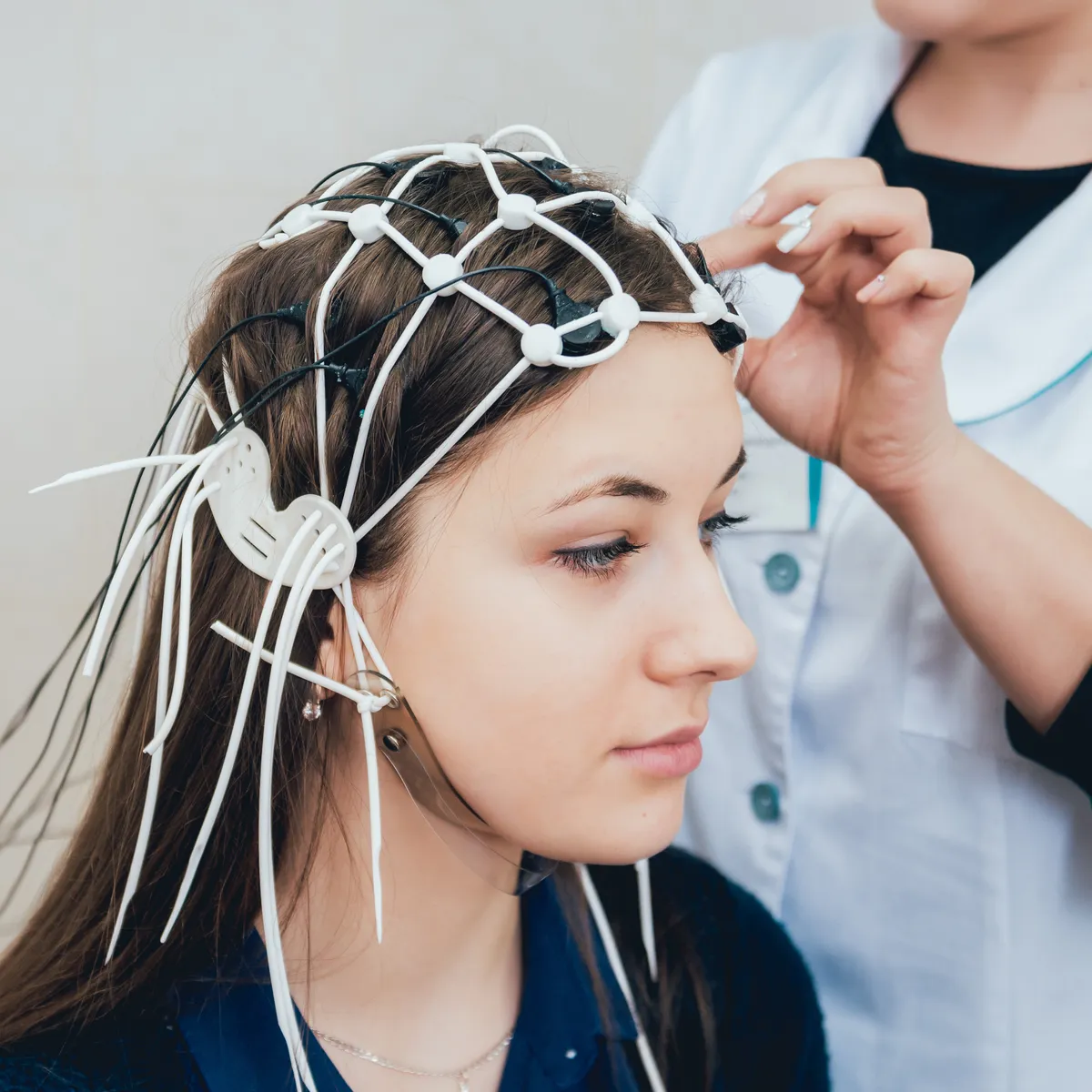
Neurofeedback is used as a complementary therapy that may support individuals with substance use disorder by improving self-awareness and self-regulation skills. Neurofeedback may be used as part of a broader treatment approach to support individuals during recovery and detoxification. It's also commonly used as a therapeutic tool to treat depression and anxiety.
Substance use can lead to changes in brain structures responsible for memory, learning, and impulse control. These changes can persist even after someone stops using drugs or alcohol, contributing to addiction. During a neurofeedback session, a therapist uses an electroencephalogram (EEG) test to measure a client's brain activity in response to audio or video stimuli. The therapist tracks the ebb and flow of brainwave patterns in real-time and sets specific training criteria and goals to help a client retrain their brain and promote self-regulation.
Dialectical Behavior Therapy is an evidence-based therapeutic approach used to treat substance use disorder and a variety of mental health conditions. DBT can help clients learn new ways to cope with their emotions, memories, and urges. Clients learn to accept their feelings as a valid part of their experience, and build awareness of the complex emotions and thought structures that influence their behavior and choices.
DBT focuses on developing four main skills: mindfulness, interpersonal effectiveness, emotional regulation, and distress tolerance. The goal of DBT is to help clients shift from feeling out of control to feeling in control in difficult situations; establish emotional regulation and engagement; and improve their overall health and quality of life.


Cognitive Behavioral Therapy is an effective talk therapy treatment that can be used to address many mental health conditions, including anxiety and depression. When used to treat substance use disorder, clients work with a therapist to identify and change negative thought patterns and unhealthy behaviors. The goal of CBT is to help clients learn self-acceptance and how to better cope with stress and difficult emotions.
CBT typically consists of weekly individual sessions and group skills training sessions. In individual sessions, clients work one-on-one with their therapist to identify and change any thoughts or behaviors that are contributing to their distress. In group sessions, they learn and practice skills such as mindfulness, emotional regulation, and interpersonal effectiveness.
Find answers to common questions about our treatment programs and care model.
An evidence-based approach helps people manage substance use and mental health issues by using therapies backed by clinical research. Depending on the needs of each individual, treatment programs can include CBT, DBT, family therapy and holistic therapies.
Each person has a unique experience with using substances and mental health. To suggest the best therapies and degree of care during recovery, a customized treatment plan takes into account each patient’s goals, symptoms and difficulties.
Dialectical behavior therapy (DBT) concentrates on emotional control, mindfulness and constructive coping mechanisms, whereas cognitive behavioral therapy (CBT) helps in recognizing and altering harmful thought patterns. Long-term recovery is frequently supported by both therapies.
Relationships impacted by substance abuse are strengthened, communication is enhanced, and trust is restored with the help of family therapy. Additionally, it gives family members useful tools to improve a loved one’s recovery and make the home healthier.
By promoting mental and physical health, holistic therapies enhance conventional clinical care. In addition to evidence-based treatment, they might use yoga, meditation, neurotherapy or other wellness-focused activities depending on the needs of the individual.


Our compassionate admissions team is available from 8am-10pm to help you begin your journey to recovery.