Recovery involves more than attending therapy or avoiding alcohol and drugs. It also means learning how to manage emotions, rebuild healthy habits, and handle everyday situations without returning to substance use. Addiction treatment in Houston services can provide structured support for adults who need time away from daily pressures to focus on their recovery.
At Luna Integrative Care, residential treatment offers adults a supportive environment with clinical care, therapy, and recovery-focused activities. While each person’s schedule depends on their treatment plan, a typical day includes opportunities to work on personal challenges, connect with others, and develop skills for life after treatment.
How Does a Typical Morning Begin?
Mornings help establish a regular routine. Clients begin their day by getting ready and preparing for scheduled treatment activities. Following a consistent routine can help bring more structure to daily life, particularly when substance use has affected sleep, responsibilities, or personal habits.
A regular morning also creates an opportunity to focus on personal well-being. Clients can become more aware of their needs and prepare themselves for the day’s activities. Over time, these small routines can help build consistency and responsibility.
What Happens During Individual Therapy?
Individual therapy gives clients dedicated time with a therapist to discuss personal concerns. Conversations may cover substance use, difficult emotions, past experiences, relationships, or situations that make recovery challenging.
The therapist helps clients explore their experiences and work toward practical goals. For example, someone who struggles with stress may learn healthier ways to respond to pressure. Another person may work on understanding emotional triggers or improving communication with family members.
Treatment is tailored to each person’s needs. The aim is to help clients understand their challenges and develop skills they can continue using throughout recovery.
Why Are Group Therapy Sessions Important?
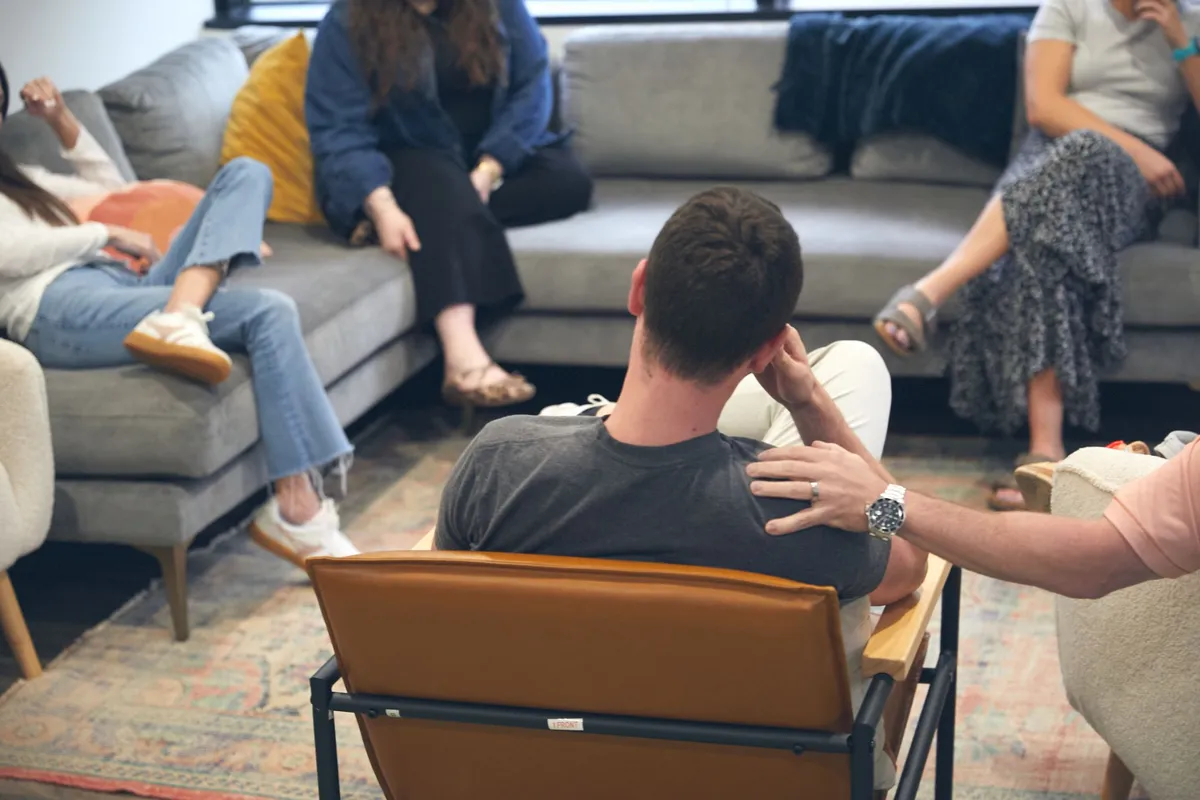
Group therapy provides an opportunity to learn alongside other people working toward recovery. With guidance from a therapist, clients can discuss common challenges, listen to different perspectives, and practice expressing themselves in a supportive setting.
These sessions may address relationships, emotional health, stress, personal boundaries, and recovery goals. Hearing how others manage difficult situations can help clients consider different approaches to their own challenges.
Group therapy also provides opportunities to practice listening, sharing concerns, and respecting other people’s experiences. These skills can be useful when rebuilding relationships and returning to everyday life.
What Do Clients Learn During Recovery Education?
Residential treatment may include educational sessions that explain substance use, mental health, and the habits that support recovery.
Topics may include:
- Recognizing personal triggers and cravings
- Managing stress and difficult emotions
- Improving sleep and eating habits
- Building healthy relationships
- Developing communication skills
- Understanding relapse prevention
These lessons help connect therapy with practical decisions outside treatment. Clients can learn to recognize challenging situations and consider healthier responses before those situations become harder to manage.
At a residential treatment center in Houston, educational activities can be part of a broader treatment plan that supports emotional health, personal responsibility, and long-term recovery.
How Do Meals and Daily Activities Support Recovery?
Meals, personal care, and time between therapy sessions are also important parts of residential life. These everyday activities help create a balanced routine rather than making the entire day about formal treatment.
Substance use can affect sleep, appetite, energy, and general well-being. A structured environment gives clients an opportunity to pay more attention to these areas and establish healthier habits.
Daily activities also allow clients to practice patience, manage responsibilities, and make time for their personal needs. These changes may seem small, but they can support a healthier lifestyle during and after treatment.
What Happens When Mental Health Concerns are Present?
Some adults experience substance use concerns alongside anxiety, depression, trauma, or other mental health challenges. These concerns can affect each other, making it important to consider the person’s overall well-being.
Depending on individual needs, treatment may include psychiatric evaluation, medical support, individual therapy, group therapy, and other appropriate services. Luna Integrative Care uses evidence-based therapies and an integrative approach to address substance use and co-occurring mental health concerns.
Comprehensive substance abuse treatment can help clients work on the emotional, behavioral, and personal challenges connected with their recovery. The exact services depend on the assessment and recommendations of the treatment team.
How Does the Day End?
The end of the day provides time to step back from scheduled activities and reflect on personal progress. Depending on the program schedule, clients may have time to consider what they learned, identify challenges, or prepare for upcoming sessions.
Reflection can help clients recognize patterns in their thoughts and behavior. It may also help them identify skills they want to practice more often, such as managing frustration, communicating clearly, or asking for support.
Recovery does not happen all at once. Each day offers another opportunity to understand personal needs and work toward meaningful goals.
How Does Residential Rehab Support Long-Term Recovery?
Residential care is intended to help clients develop skills they can use beyond the treatment setting. As treatment progresses, clients may work on recovery planning, healthier relationships, emotional regulation, and ways to respond to situations that could affect their progress.
The care team can also help plan the next stage of treatment. Depending on individual needs, this may involve a Partial Hospitalization Program (PHP), Intensive Outpatient Program (IOP), or ongoing outpatient therapy.
Having a plan for continued support can help clients understand what resources are available after residential treatment and how to maintain their progress.
Conclusion
A typical day in residential rehab may include individual therapy, group sessions, recovery education, meals, personal activities, and time for reflection. Although the schedule varies, these activities help clients develop healthier habits and work through challenges with professional support.
At Luna Integrative Care, residential treatment combines clinical care, evidence-based therapies, and individualized support for adults facing substance use and related mental health concerns. The focus is on helping each person build practical recovery skills and prepare for continued care after residential treatment.
Frequently Asked Questions
What happens if I feel emotionally overwhelmed during residential rehab?
You can discuss your feelings with your treatment team or therapist. They can help you understand your emotions and identify appropriate support.
Do residential rehab programs include activities outside therapy?
Programs may include educational sessions, peer interaction, personal reflection, and wellness activities alongside scheduled therapy. Activities vary by facility.
How much personal time do you get during residential rehab?
Personal time depends on the facility’s schedule and treatment plan. Most programs balance structured sessions with meals, rest, and time for personal activities.
How does residential rehab help with everyday habits?
A regular routine can help clients practice consistent sleep, meals, self-care, communication, and coping skills that support recovery.
What should I ask about the daily schedule before entering rehab?
Ask about therapy sessions, medical support, meals, personal time, family contact, and how the schedule is tailored to your treatment needs.